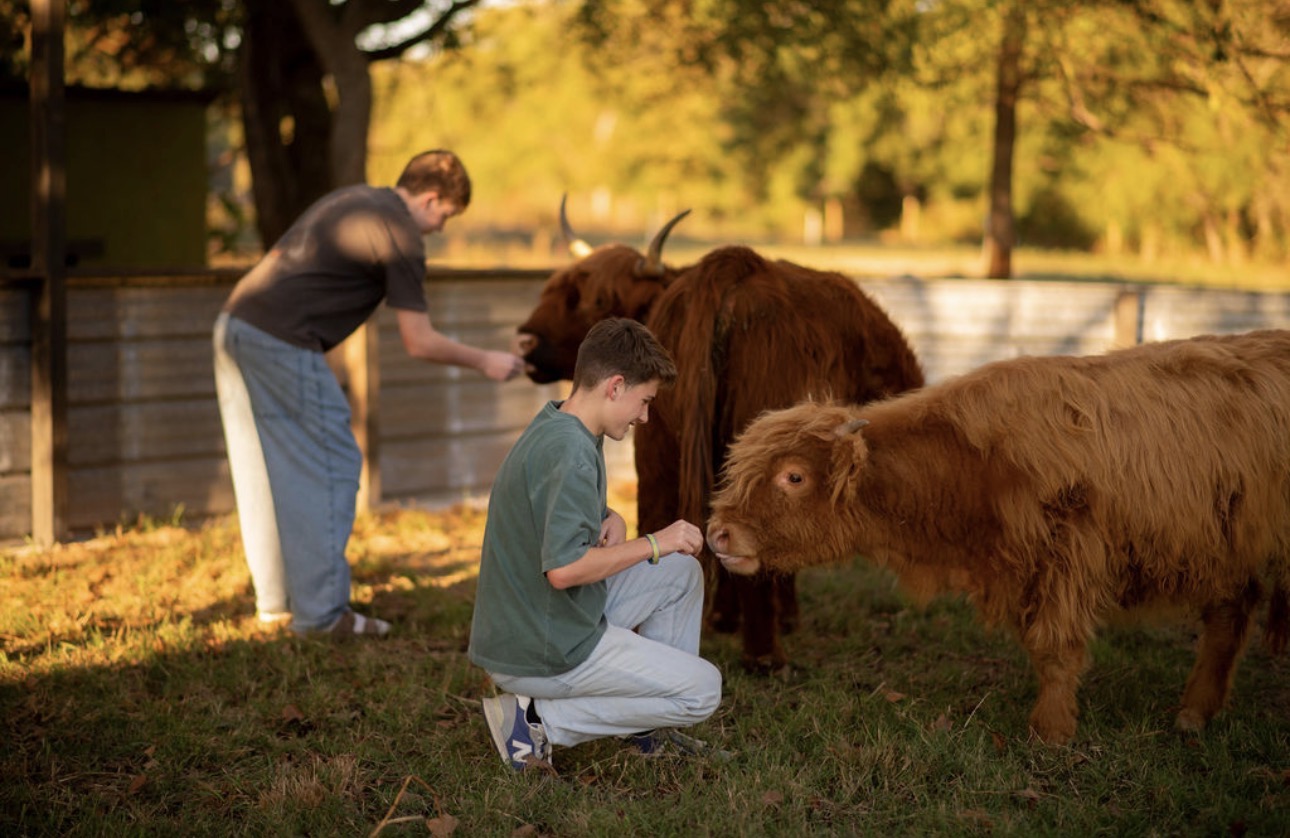
If your cattle are hard to handle, slow to settle, or not responding well to daily routines, livestock care starts with reading the herd before problems grow. Small changes in appetite, movement, coat condition, or group behavior can point to stress that needs attention now, not later.
At Spavinaw Cattle Co, we help cattle stay steady through careful observation, low-stress handling, and pasture-based practices shaped by the land around Gravette. If you are looking for livestock care that respects the animals first and keeps routines natural, we can help you make the next step clear.
Livestock care is not one fixed routine. It changes with herd size, age mix, pasture conditions, breeding goals, and how much handling the animals already trust. A quiet cow that moves well through a lane needs a different approach than a heifer that hangs back, pushes away from the group, or shows signs of discomfort.
We focus on practical care that helps cattle stay calm and consistent. That means paying attention to grazing patterns, body condition, water access, herd behavior, and how each animal responds during handling. For farms and ranches around Gravette, that approach can reduce stress and make daily work easier to manage.
When livestock care is handled well, you notice it long before a problem becomes obvious. The herd settles faster, movement is smoother, and animals spend more time grazing and resting instead of showing agitation. That kind of steadiness matters whether you are developing breeding stock, choosing a heifer, or managing beef animals on pasture.
Good livestock care begins with careful observation. We look for the small details that tell a bigger story about health, comfort, and adjustment to pasture life.
These details matter because livestock often communicate through behavior before anything else. That is especially true on a regenerative farm where pasture quality, rotational grazing, and calm handling all play a role in how the herd performs.
Spavinaw Cattle Co raises cattle on lush pasture, so livestock care must support grazing, movement, and recovery throughout the day. Pasture-first care is about more than turn-out time. It means watching how the herd uses the land and making sure animals are supported by thoughtful rotation and balanced access.
When cattle are rotated well, they can graze more evenly and avoid overworking one area of the pasture. That helps the land and the herd at the same time. It also gives us a clearer view of which animals are thriving under current conditions and which animals need closer monitoring.
Rotational grazing helps preserve forage quality and gives cattle fresh ground more often. We pay attention to how animals move between areas, how quickly they settle after a move, and whether any cattle seem reluctant to join the group. Those details can guide the next step in care.
Calm cattle are easier to observe and easier to care for. We use handling that keeps pressure low and movement steady, so animals are not rushed into avoidable stress. That approach is especially important when working with young stock or cattle that are still learning routines.
Breeding stock and heifer selection require a sharp eye and patient handling. These animals are not chosen by appearance alone. They should also show steadiness, sound movement, and the kind of presence that suggests they can adapt well to pasture-based life.
Livestock care for breeding animals includes close attention to temperament, structure, and how each heifer responds to handling and herd movement. A strong candidate should be alert without being difficult, active without being frantic, and settled enough to work with consistently.
For Gravette-area buyers or visitors looking at cattle for breeding purposes, we help make those observations practical. The goal is not to overcomplicate the process. It is to notice what matters and help you choose animals that fit your operation.
Some changes are easy to overlook unless you know what to watch for. If you notice any of these patterns, it is worth slowing down and checking the herd more closely.
These signs do not always mean something serious, but they do mean the animal deserves a closer look. Good livestock care relies on noticing patterns early and responding before a minor change becomes harder to manage.
When you visit Spavinaw Cattle Co for livestock care support, the process starts with a simple look at the herd, the pasture, and the current handling routine. We want to understand what the cattle are telling us before suggesting any next step.
That may include watching the herd move, checking how animals separate or cluster, and reviewing the way they are using pasture space. We also pay attention to the setting around them, because animal behavior is often tied to how the land and routine are working together.
From there, we focus on practical care that fits the animals you have. Some herds need more time to settle into handling. Others need more attention to selection, rotation, or observation of younger cattle. The approach stays grounded in what the herd is showing us now.
Livestock care does not have to feel rushed or disconnected. Ranch visits give you a chance to see cattle where they live, move, and graze. That matters because the pasture tells part of the story, and the herd tells the rest.
At Spavinaw Cattle Co, ranch visits can help you understand animal temperament, grazing habits, and overall condition before making decisions about breeding stock, heifer selection, or beef cattle care. It is a useful way to see how natural routines, rotational grazing, and low-stress handling come together on the ground.
For visitors who also enjoy the farm setting, a ranch visit can be part of a larger experience centered on learning, walking the land, and seeing how cattle are raised with attention and restraint. It is not about spectacle. It is about understanding the animals and the work behind them.
Pasture-raised cattle rely more heavily on grazing patterns, herd movement, and the condition of the land itself. Care has to account for how the animals use pasture, how they travel together, and how well they settle into rotations.
Look for changes in grazing, movement, posture, coat condition, or herd behavior. A cow that isolates, hesitates, or acts differently from the group deserves a closer look.
Yes. Good livestock care and calm handling work together. When animals are handled consistently and without unnecessary pressure, they usually respond more smoothly over time.
Rotational grazing supports pasture quality and gives cattle fresh ground more often. It also makes it easier to monitor how the herd uses space and whether any animals are struggling to keep up.
Focus on temperament, movement, structure, and how the heifer responds to being handled. A steady animal that moves well and settles with the group is often easier to work with long term.
Yes. Seeing cattle on pasture gives you a better sense of their behavior, condition, and comfort level than a quick glance ever could. It is one of the most practical ways to understand livestock care.
If you want livestock care that respects the herd and the land around Gravette, Spavinaw Cattle Co is ready to help you take the next step. Whether you are interested in breeding stock, heifer selection, ranch visits, or a closer look at pasture-raised cattle, we can help you see what your animals need and what makes sense for your operation.
Reach out by phone at +14792250266 or by email at beccaelizabeth2000@gmail.com to plan a visit to 10072 Georgia Flat Rd, Gravette, AR 72736, USA. We are here for cattle care that stays practical, calm, and centered on the herd.
Visit the Farm
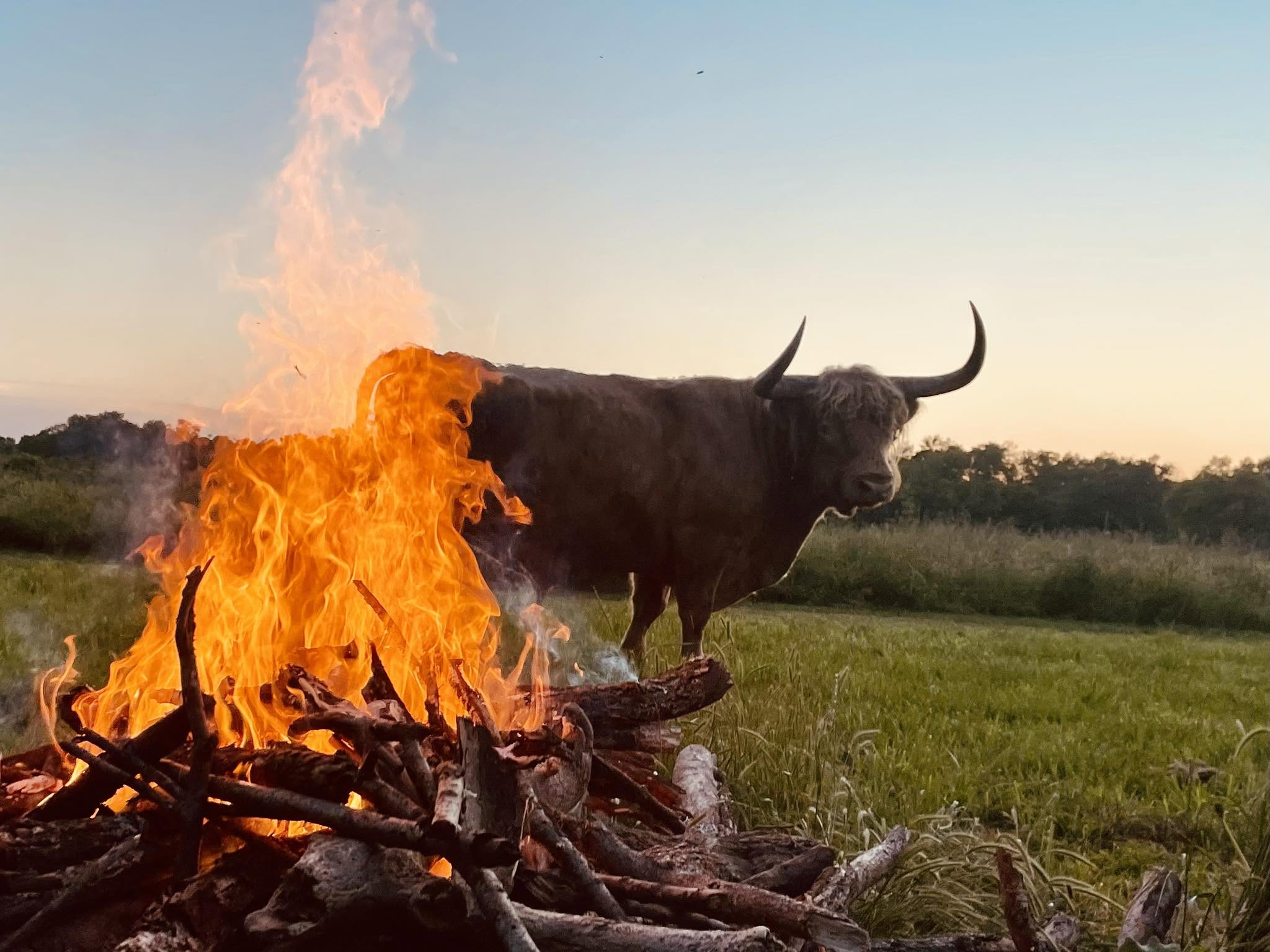
Reach out to ask about beef availability, farm visits, highland cow experiences, and what is happening on the property during your preferred time.